Winter brings moisture, freezing temperatures, and heavy snowfall that strain outdoor electrical setups. Extension cords face the most exposure because they sit at ground level and run across open areas.
This guide explains how to protect extension cords from snow and ice. It covers selection, placement, safety, maintenance, and winter accessories that help reduce damage.
Why Snow and Ice Create Risks for Extension Cords
Snow and ice create hazards for outdoor wiring because moisture works into cracks and openings. This moisture freezes and expands, which stresses insulation and weakens the cord.
Cold temperatures also reduce insulation flexibility. A stiff cord cracks faster when bent or stepped on.
How Moisture Affects Cord Insulation
Water works into small gaps along plugs, jackets, and strain relief points. Once it freezes, it expands and widens these gaps.
Repeated freeze and thaw cycles create long-term damage that may not appear until spring.
Temperature Stress During Winter
Many extension cords stiffen when temperatures drop. This stiffness increases stress when cords handle weight or movement.
Light impacts become more harmful because cold insulation offers less give.
Choosing Cold-Ready Extension Cords
Protecting extension cords during winter begins with material selection. Winter conditions require cords designed for cold temperatures and outdoor exposure.
Cold-rated jackets remain flexible during freezing weather, which reduces cracking and improves handling.
Outdoor-Rated Cords Perform Better
Outdoor-rated extension cords resist UV, moisture, and temperature shifts. These cords handle snow and ice better than indoor cords.
A proper rating gives you a safer and more stable installation during the coldest months.
Thicker Jackets Improve Durability
Thicker jackets resist abrasion, which helps protect the internal wiring. Snow shovels, boots, and ice buildup often hit cords.
A tougher jacket reduces cuts and surface damage.
Preparing Extension Cords Before Winter Hits
Preparation prevents many cold-weather failures. A clean, dry cord performs better during winter months.
Inspect your extension cords thoroughly before the first snow arrives.
Inspecting for Cracks and Wear
Look for cuts, splits, or flattened areas along the jacket. These areas fail first when moisture freezes.
Replace damaged cords. Repairs rarely hold during winter conditions.
Cleaning and Drying the Cord
Remove dirt, leaves, and old tape. Debris traps moisture, which freezes around the cord.
Dry the cord completely before storage or installation.
Adding Weather Protection at Plug Points
Connection points need protection because they face direct moisture exposure. Snow often melts around plugs and refreezes at night.
Use shields or covers designed for outdoor plug protection.
Learn more:Best Cable Ties for Cold U.S. Regions.
Best Practices for Placing Extension Cords in Snow
Placement affects how much moisture and ice your cord faces. Smart routing reduces stress and exposure.
Plan the cord path before heavy snow arrives.
Keeping Cords Off the Ground
Ground-level placement exposes cords to the highest levels of snow and ice. Use hooks, stands, or elevated supports.
Even a few inches of height reduces exposure.
Avoiding High-Drift Areas
Snow collects in specific areas due to wind and roof runoff. Avoid these areas when routing your cord.
Less snow contact means fewer freeze cycles along the jacket.
Protecting Cords from Ice Sheets
Ice sheets add weight and trap cords. Use supports to prevent cords from getting buried under ice layers.
This reduces tension and bending stress.
Using Protective Covers and Accessories
Winter accessories help shield extension cords from moisture. Many are simple to install and provide reliable protection.
Choose accessories made for outdoor use.
Protective Cord Covers
Cord covers shield the jacket from snow, ice, and foot traffic. These covers create a barrier that keeps moisture from reaching the cord.
They also reduce trip risks in snowy areas.
Weatherproof Plug Boxes
Plug boxes protect connection points from moisture. They seal the plug area and keep snow from reaching the contacts.
Use boxes designed for outdoor winter use.
Additional Support Tools
Hooks, clips, or stands keep cords elevated and stable.
Avoid sharp supports that may cut the jacket in cold conditions.
Helpful Winter Accessories
• Weatherproof plug boxes for safe connections
• Cord covers for walkway and driveway protection
Maintaining Extension Cords During Winter
Winter maintenance reduces mid-season failures. A quick inspection schedule keeps your cord safe throughout the season.
Check your setup after each major snow event.
Clearing Snow from Cord Paths
Snow builds around cords during storms. Remove snow gently to avoid bending stiff sections.
Never yank a frozen cord. This causes cracks along the jacket.
Preventing Ice Buildup
Ice adds stress and traps cords. Break ice around the cord with light pressure to avoid stressing the jacket.
Use warm water only if the cord is disconnected and fully dry afterward.
Watching for Discoloration or Stiffness
Watch for color changes along the jacket. These areas may signal UV exposure or cracking.
A stiff cord indicates that the insulation struggles with cold temperatures.
Learn more:Securing Your Outdoor Plants for Winter with Zip Ties.
Safe Use Practices During Freezing Conditions
Safe handling reduces shock hazards and equipment damage. Extension cords become more fragile in low temperatures.
Handle them with care during extreme cold.
Avoid Unnecessary Movement
Frozen cords become brittle. Avoid moving them during the coldest hours of the day.
If movement is necessary, warm the area first using safe methods.
Do Not Overload the Cord
Winter conditions increase resistance in cables. Never overload the cord, as increased heat interacts poorly with frozen insulation.
Match your load with the cord’s rating.
Keep Connectors Dry
Dry connectors reduce the chance of faults. Snow and ice melt quickly when equipment warms.
Wipe connector areas often to prevent moisture contact.
Storing Extension Cords After Winter Use
Proper storage prevents damage and keeps your cords ready for next season. A well-stored cord lasts longer.
Avoid packing cords when they remain stiff or wet.
Warming Before Rolling
Bring your cord inside and let it warm before rolling. Warm insulation bends safely.
Rolling a cold cord causes cracks.
Coil the Cord Loosely
Tight coils place stress on the jacket. Use loose coils to preserve flexibility.
Store the cord in a dry, cool area away from sunlight.
Troubleshooting Winter Damage
Winter damage appears in specific ways. Recognising early signs helps prevent serious issues.
Check the entire length of the cord before each use.
Identifying Cracks and Surface Splits
Cracks appear along bends and high-pressure spots. These areas become unsafe quickly.
Do not continue using a cracked extension cord.
Checking Plug Ends
Plug ends experience the most stress. Ice forms at the plug area during warm days and refreezes at night.
Look for gaps or loosened strain relief sections.
Creating a Winter Safety Plan for Extension Cords
A simple winter plan reduces risk and improves reliability. This plan should include routine checks and proper placement rules.
Clear training helps workers handle cords correctly in cold environments.
Essential Steps in a Winter Plan
A strong winter plan includes placement rules, inspection schedules, and accessory use guidelines.
Train staff on crack detection and moisture control.
Final Thoughts
Extension cords face harsh conditions during winter, but careful planning protects them. Smart placement, cold-rated accessories, and routine checks give your cords the strength to handle snow and ice.
Winter protection comes from simple habits that reduce moisture, prevent ice buildup, and keep plug points safe.
For more insights and tips on cable ties and other related products, explore cabletiesunlimited.com, get a quick and free quote, and follow us on our social media communities on Facebook and Instagram!
written By
Kyle Hinckley
Kyle Hinckley is a cable management specialist with over 15 years of experience in industrial and commercial
applications. He has helped hundreds of businesses optimize their cable infrastructure and improve workplace
organization.
About Cable Ties Unlimited
Cable Ties Unlimited represent one of the most cost-effective solutions for organization, repairs, and creative projects.
By thinking beyond their traditional use for cable management, you can discover hundreds of applications that
will save you time and money.
Get Expert Cable Management Tips
Join 10,000+ professionals receiving our weekly newsletter with industry insights, product guides, and
exclusive offers.


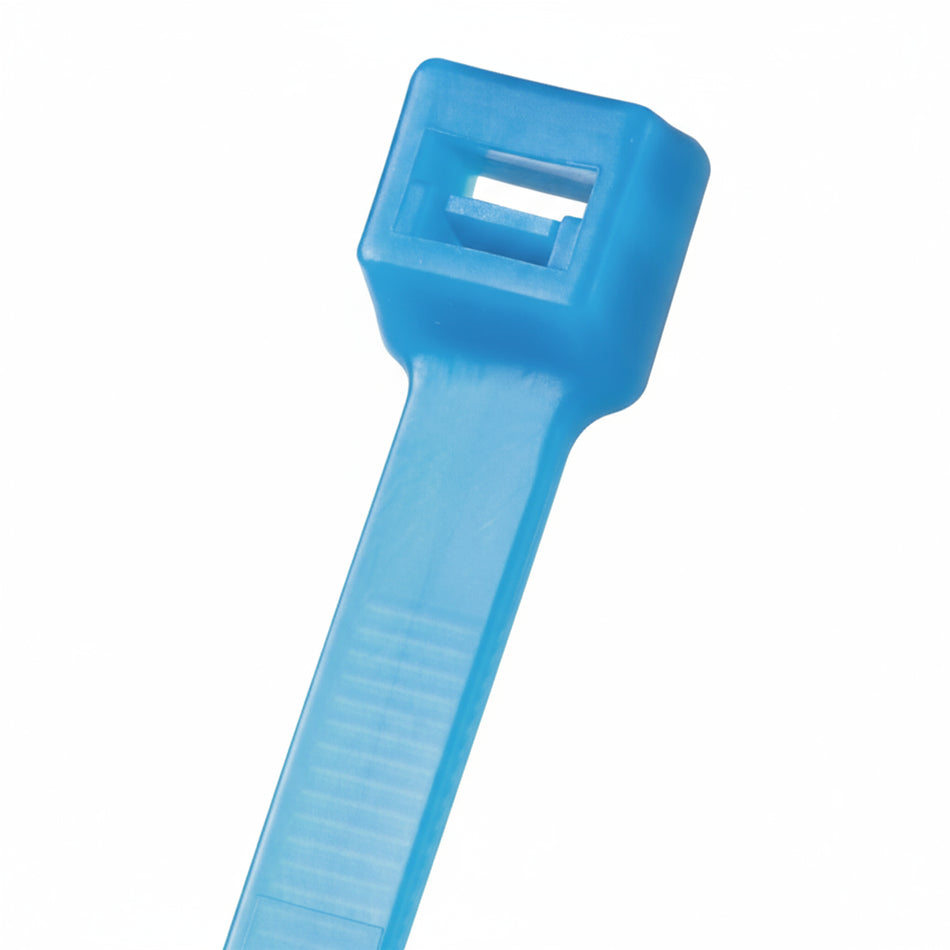 Winter accessories help shield extension cords from moisture. Many are simple to install and provide reliable protection.
Choose accessories made for outdoor use.
Winter accessories help shield extension cords from moisture. Many are simple to install and provide reliable protection.
Choose accessories made for outdoor use.
