Outdoor metal cable ties face moisture, UV exposure, airborne chemicals, and temperature shifts that wear down surfaces over time. Corrosion damage becomes a serious issue when installations operate in harsh or unpredictable weather.
This article explains how corrosion forms, how to reduce risk through material selection and installation practices, and how to maintain metal cable ties in outdoor environments without unnecessary costs or downtime.
Understanding Why Outdoor Corrosion Happens
Metal cable ties provide strength and durability, but the outdoors introduces conditions that stress even high-quality materials. Rain, snow, and humidity carry minerals and contaminants that cling to the metal surface. Salt spray near coastal regions accelerates oxidation, while industrial areas expose ties to airborne pollutants. These factors combine to create a demanding environment that encourages corrosion.
How Corrosion Develops on Metal Components
Corrosion begins when metal reacts with oxygen and moisture. In outdoor settings, this reaction speeds up as contaminants accumulate on the surface. Crevice corrosion forms in tight spaces that trap water and debris. Pitting corrosion develops as tiny, deep spots that compromise strength before becoming visible.
Environmental Conditions That Increase Risk
Some locations accelerate corrosion more than others. Coastal regions expose metal to salt, which penetrates protective layers and speeds oxidation. Industrial areas may produce airborne chemicals that settle onto outdoor fixtures. Regions with dramatic temperature shifts, including freeze–thaw cycles, place additional stress on metal surfaces and coatings.
Selecting Corrosion-Resistant Metal Cable Ties
Choosing the right metal cable tie for the environment prevents early failure. Different alloys and coatings offer different levels of protection. Crews should match tie type to weather patterns, exposure levels, and expected service life. Investing in better materials upfront saves money later by reducing replacements.
Stainless Steel Grades and Their Benefits
Stainless steel cable ties resist many forms of corrosion. Higher grades provide stronger defense against salt, chemicals, and industrial pollutants. Lower grades work well in mild inland environments with steady temperatures. Selecting the right grade ensures ties stay secure for their full intended lifespan.
Coated Metal Cable Ties for Added Protection
Coated metal ties include an additional barrier between the environment and the metal surface. These coatings reduce direct moisture exposure and help prevent abrasive wear. They also protect against contact with other metals that could trigger galvanic corrosion. Coated ties often last longer in locations with frequent rain or airborne contaminants.
Installation Practices That Reduce Corrosion
Installation mistakes can accelerate corrosion even when using high-quality materials. Scratches, overtightening, or poor placement create weak points where moisture collects. Taking time to prepare mounting surfaces and handle ties correctly helps extend their service life.
Avoiding Surface Damage During Installation
Surface scratches expose fresh metal that corrodes faster than protected areas. Installers should use smooth tools designed for metal ties and avoid dragging ties across abrasive edges. Proper trimming prevents sharp points that trap moisture or scrape nearby components. Careful handling during installation reduces long-term corrosion risks.
Maintaining Proper Tension
Correct tension ensures cable ties hold firmly without unnecessary stress. Overtightening introduces micro-cracks that become corrosion points. Undertightening allows movement that wears away coatings over time. Balanced tension helps ties maintain strength across wide temperature ranges.
Placement Considerations
Positioning cable ties correctly helps prevent water retention. Avoid placing ties in low spots where water collects for long periods. Keep ties away from sharp or vibrating surfaces that may damage coatings. Even small adjustments in placement can improve resistance to corrosion throughout the year.
Maintenance and Inspection for Outdoor Installations
Routine inspection keeps outdoor systems reliable. Even corrosion-resistant metal needs periodic checks because outdoor conditions change throughout the year. Inspections help crews identify issues early and prevent costly failures.
Identifying Early Corrosion Signs
Early corrosion may appear as discoloration, dull surfaces, or small pitted marks. Rust stains near the tie indicate moisture has penetrated the surface. Loosening or unexpected movement suggests weakening material. Replacing a tie early prevents damage to connected equipment.
Cleaning Metal Cable Ties
Cleaning helps remove chemicals, dirt, and salt that collect over time. Mild cleaners and soft brushes protect coatings while removing contaminants. Crews should avoid abrasive tools that scratch the surface. In dusty or coastal regions, more frequent cleaning helps maintain reliability.
Protective Treatments That Slow Corrosion
Protective treatments help metal ties withstand demanding environments. These treatments vary in strength and durability, and the choice depends on weather patterns and equipment exposure. Adding even a simple layer of protection can make a meaningful difference in long-term performance.
Anti-Corrosion Sprays and Sealants
Anti-corrosion sprays add a thin film that blocks moisture. These sprays work well for sites exposed to moderate humidity or dust. Sealants provide a thicker barrier that lasts longer in harsh weather. Both solutions reduce the frequency of tie replacements when applied consistently.
Lubricants for High-Wear Installations
Systems with vibration or movement benefit from compatible lubricants. Lubricants reduce friction that would otherwise wear away protective coatings. They also help prevent metal-to-metal contact that can lead to galvanic corrosion. Regular reapplication keeps the tie surface protected and smooth.
Practical Strategies for Extending Cable Tie Life
Small changes in installation and maintenance habits can significantly extend the life of metal cable ties outdoors. These strategies work best when combined with regular inspection schedules and proper material selection.
Reducing Moisture Exposure
Moisture is the primary driver of corrosion. Crews should route cables away from leaking pipes, low-lying areas, or surfaces that trap water. Adding drainage features prevents water from pooling around cable tie mounts. Even small adjustments reduce long-term corrosion risk.
Separating Dissimilar Metals
When two different metals touch, galvanic corrosion may form in the presence of moisture. Using coated ties, plastic separators, or non-conductive barriers prevents this reaction. Avoiding direct metal-to-metal contact helps ties maintain structural integrity in wet conditions.
Managing Temperature Changes
Metal cable ties expand and contract during temperature swings. Over time, these shifts create stress points that lead to cracking and corrosion. Selecting materials rated for local temperature ranges helps maintain performance. Good cable support reduces vibration and prevents premature wear.
Using Weather Shields and Guards
Weather shields reduce exposure to rain, UV rays, and wind-blown debris. These add-ons provide an extra layer of protection in harsh environments. Shields help ties last longer in dusty zones, high-salt areas, or regions with long wet seasons. Simple guards often double the working life of outdoor installations.
Seasonal Adjustments for Harsh Weather
Different seasons present their own corrosion risks. Preparing equipment before major weather shifts reduces maintenance work during the year. Seasonal checks help teams protect outdoor cable systems before damage starts.
Preparing for Heavy Rain and Storm Periods
Heavy rain accelerates corrosion by keeping metal surfaces wet for long periods. Crews should inspect drainage paths and remove debris from mounting areas. After storms, checking for movement or impact damage helps prevent failures. Early action keeps outdoor systems safe and stable.
Preparing for Winter Conditions
Freeze–thaw cycles stress metal surfaces as moisture expands and contracts inside small cracks. Snow can also trap moisture against the metal for long periods. Crews should inspect ties before winter and schedule follow-up checks during early spring. Catching damage early helps maintain system reliability.
Quick Corrosion-Prevention Checklist
Below is your single required bullet section:
Key actions to prevent outdoor corrosion
• clean ties during routine inspections
• replace ties showing early surface damage
• avoid overtightening during installation
• apply coatings or sprays when conditions require
• separate dissimilar metals when possible
When Replacement Becomes Necessary
Even well-maintained ties reach the end of their working life. Corrosion weakens metal, increases movement, and puts strain on connected equipment. Replacement is the safest choice when the tie has visible surface damage or weakened tension. Planning ahead reduces unexpected failures in critical systems.
Recognizing End-of-Life Conditions
End-of-life ties often show deep pitting or flaking. Any tie with visible rust spreading from the fastening point should be replaced immediately. Ties that no longer hold their intended tension are another warning sign. Crews should document and track replacements to predict maintenance needs accurately.
Storing Metal Cable Ties Before Installation
Storage conditions affect corrosion resistance. Ties stored incorrectly may already show surface damage before installation. Good storage habits extend service life and reduce early failures.
Keeping Ties Dry and Contamination-Free
Store metal ties in sealed containers to prevent moisture exposure. Keep them off concrete floors, where condensation gathers. Avoid storing ties near chemicals that release corrosive vapors. Clean, dry storage ensures ties maintain their original protective finish.
Conclusion
Outdoor metal cable ties face constant environmental stress, so preventing corrosion requires thoughtful planning. Choosing the right materials, installing ties correctly, and maintaining them through regular inspections all help improve performance.
With the right strategies, crews can extend service life, reduce replacement costs, and protect critical systems from premature failure.
Final Thoughts
Ongoing maintenance and smart installation choices help outdoor metal cable ties resist corrosion in demanding environments. For more insights and tips on cable ties and other related products, explore cabletiesunlimited.com, get a quick and free quote, and follow us on our social media communities on Facebook and Instagram!
written By
Kyle Hinckley
Kyle Hinckley is a cable management specialist with over 15 years of experience in industrial and commercial
applications. He has helped hundreds of businesses optimize their cable infrastructure and improve workplace
organization.
About Cable Ties Unlimited
Cable Ties Unlimited represent one of the most cost-effective solutions for organization, repairs, and creative projects.
By thinking beyond their traditional use for cable management, you can discover hundreds of applications that
will save you time and money.
Get Expert Cable Management Tips
Join 10,000+ professionals receiving our weekly newsletter with industry insights, product guides, and
exclusive offers.


 Installation mistakes can accelerate corrosion even when using high-quality materials. Scratches, overtightening, or poor placement create weak points where moisture collects. Taking time to prepare mounting surfaces and handle ties correctly helps extend their service life.
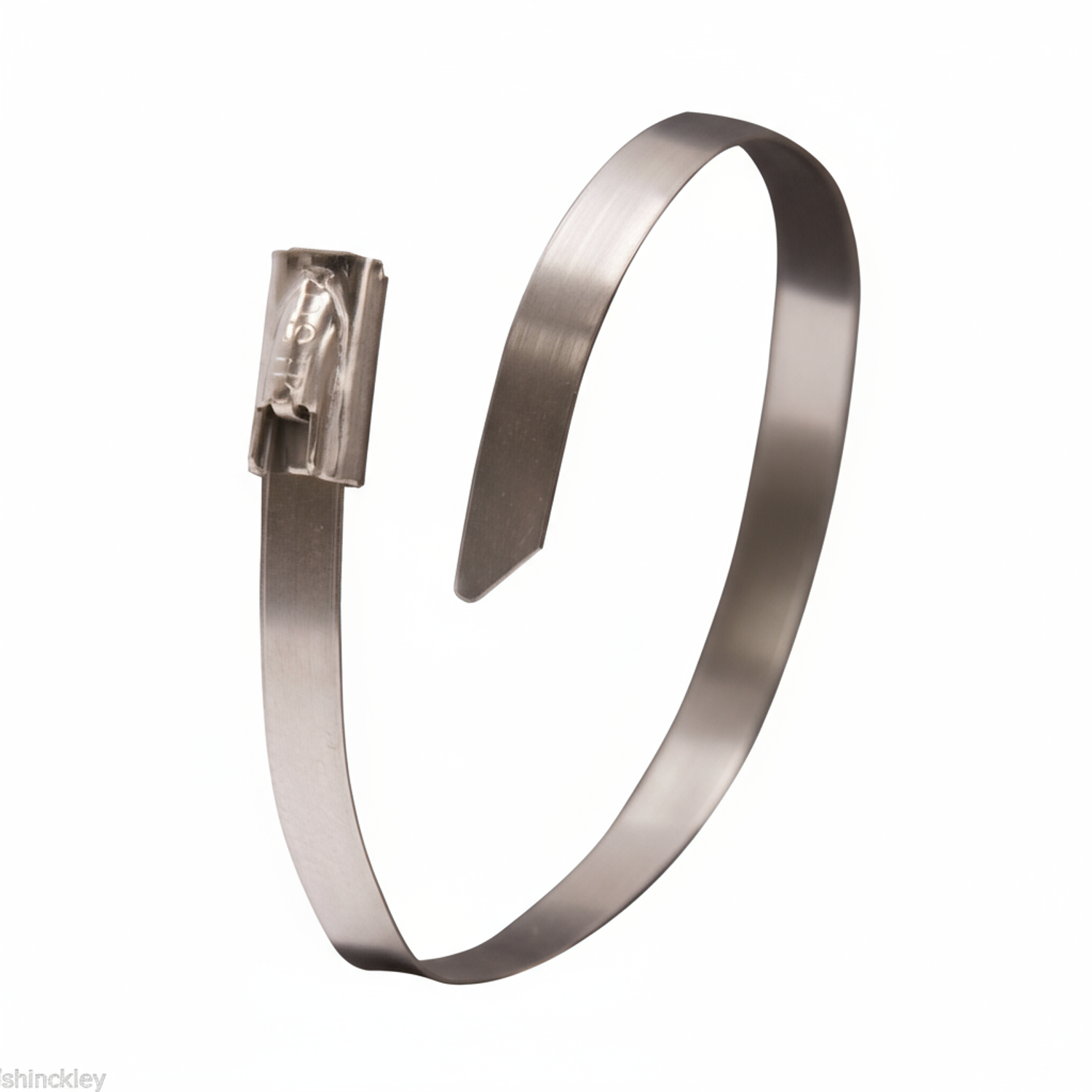 Routine inspection keeps outdoor systems reliable. Even corrosion-resistant metal needs periodic checks because outdoor conditions change throughout the year. Inspections help crews identify issues early and prevent costly failures.