Cold weather creates conditions that weaken common fastening materials. Nylon cable ties lose flexibility, absorb moisture, and become brittle as temperatures drop. These changes create real risks for outdoor electrical work, temporary installations, and seasonal setups.
This guide explains why nylon cable ties fail in winter and shows how to prevent cold-weather damage through better material selection, smarter placement, and simple protective techniques.
How Winter Conditions Affect Nylon Cable Ties
Nylon absorbs moisture from the environment. When temperatures drop, this moisture freezes and expands inside the material. Expansion stresses the tie and makes it brittle.
Cold air also reduces nylon’s natural flexibility. A stiff cable tie snaps easier when bent, stretched, or stressed.
Temperature-Driven Brittleness
Nylon becomes rigid as temperatures fall. The lower the temperature, the less energy the polymer chains retain.
This stiffness increases breakage risk during installation or light movement.
Freeze–Thaw Stress
Moisture collects on cable ties through condensation, snow, or direct contact. This moisture freezes overnight and expands.
Repeated freeze–thaw cycles weaken the tie and lead to small cracks.
Mechanical Stress in Cold Weather
Snow, wind, and ice place heavy forces on outdoor wiring and tied cables. Nylon cable ties must handle added weight during storms.
A cold, brittle tie handles far less load before snapping.
Common Winter Failure Points
Nylon ties tend to fail in predictable areas once temperatures drop. Recognising these points helps technicians inspect and maintain installations more effectively.
Failures often occur due to a mix of mechanical stress and cold brittleness.
Locking Head Cracks
The head of a nylon cable tie carries most of the tension. Cold brittleness weakens the locking mechanism.
Cracks often appear around the locking block or entry slot.
Strap Fractures
The strap experiences bending stress when wrapped around cables or supports. Cold ties crack along the edges or near teeth.
These cracks soon lead to full breaks.
Failure at Mounting Points
Cable ties used with mounts, screw holes, or sharp edges face extra stress.
Cold weather amplifies the pressure at these points.
Nylon Material Properties in Winter
Nylon offers excellent strength during warm months. Winter changes its behavior because the material absorbs water easily.
Understanding these properties helps installers choose the right tie for the job.
Moisture Absorption in Nylon
Nylon absorbs small amounts of water during normal use. This moisture enters the polymer structure.
During winter, frozen moisture reduces flexibility and increases internal stress.
Loss of Elasticity
Elasticity allows nylon ties to bend and stretch without breaking. Cold temperatures reduce elasticity.
A stiff tie cannot flex during wind-driven movement.
Increased Risk Around Impact
Even small impacts can break a cold nylon tie.
Foot traffic, falling branches, or shifting cables all increase break risk.
Selecting Winter-Resistant Cable Ties
Winter protection begins with material choice. Some cable ties perform better in cold conditions than standard nylon ties.
Selecting the right tie reduces breakage and improves safety.
Using Weather-Resistant Cable Ties
Weather-resistant cable ties include additives that improve cold performance. They also resist UV exposure and moisture.
These ties provide better longevity in winter environments.
Considering Specialty Materials
Specialty cable ties use materials that remain flexible in cold temperatures. These options cost more but provide greater reliability outdoors.
Select them for locations with heavy snow, ice, or wind.
Preparing Cable Tie Installations for Winter
Good preparation improves cold performance even when using standard ties. Clean surfaces, proper routing, and correct tension matter more in winter.
Take time to prepare before outdoor temperatures fall.
Inspecting Existing Cable Runs
Look for worn or cracked ties before winter begins. Replace ties that show early damage.
Check areas exposed to moisture, sun, or mechanical stress.
Cleaning Support Surfaces
Clean pipes, posts, or cables before installing new ties. Dirt and ice reduce grip and increase breakage risk.
Dry surfaces help the tie grip evenly.
Installation Practices That Reduce Winter Failures
Installation technique affects tie performance as much as material choice. Use methods that reduce stress during freezing temperatures.
These practices improve durability through the entire season.
Creating Smooth Cable Bundles
Smooth, even bundles reduce bending stress on the tie.
Avoid sharp bends that force the tie into tight angles.
Positioning Ties Away from Drip Zones
Snowmelt collects near roof edges and gutter lines.
Avoid routing ties directly under these drip zones to reduce freeze–thaw exposure.
Supporting Long Runs
Long cable runs flex during wind and snow buildup.
Add extra support points to reduce strain on each tie.
Helpful Winter Supports
Weather-rated mounts for stable routing
Flexible clamps to reduce movement stress
Protecting Cable Ties from Moisture and Ice
Moisture exposure increases failure risk. Keeping cable ties dry or shielded helps maintain flexibility.
Use protective methods suited for winter environments.
Adding Protective Sleeves
Protective sleeves shield tied cables from direct snow and ice contact.
Sleeves also reduce stress from falling ice.
Using Conduit for High-Risk Sections
Conduit protects cables and ties in exposed areas.
Use conduit where snow piles or ice slides often occur.
Covering Outdoor Connections
Covers help block wind-driven snow from reaching the tie.
They also slow ice formation around critical areas.
Maintaining Cable Tie Installations During Winter
Winter maintenance helps catch issues before failures occur. Regular checks reduce downtime and repair work.
Inspect after storms, wind events, or sudden temperature drops.
Checking for Brittle or Cracked Ties
A cracked tie shows white stress lines or sudden stiffness.
Replace damaged ties immediately.
Watching for Loose Bundles
Loose bundles indicate a tie has stretched or cracked.
Re-secure the bundle with a cold-rated tie.
Removing Ice Buildup
Ice adds heavy stress to cable runs.
Remove ice carefully without bending the cold ties sharply.
Field Repairs During Winter Conditions
Winter repairs require gentle handling. Cold materials crack easily under pressure.
Use temporary measures until you can complete proper repairs.
Using Gloves for Better Control
Gloves reduce the risk of snapping a tie during installation.
Cold fingers grip ties too tightly and cause bending stress.
Replacing All Ties in a Damaged Section
Do not replace only the broken tie.
Replace all ties in a bundle that faces heavy winter exposure.
Using Temporary Wraps
Temporary wraps add support until you can install new ties.
Use wraps that resist moisture and low temperatures.
Designing Winter-Ready Cable Tie Systems
Better system design prevents most winter failures. Think beyond individual ties and consider the full installation.
Plan cable routes and supports for the entire season.
Planning for Movement
Cables move during wind, snow load, and thaw cycles.
Allow enough slack to avoid pulling ties tight.
Using Redundant Support
Two ties in key areas offer better safety than one.
Redundancy helps absorb sudden stress.
Avoiding Sharp Edges
Sharp edges cut into cold nylon.
Round edges or add padding to prevent strap damage.
Troubleshooting Common Winter Cable Tie Problems
Winter failures often follow predictable patterns. Identifying these patterns helps technicians prevent issues.
Common problems include breakage, slippage, and stress cracking.
Sudden Mid-Span Breaks
These breaks signal cold brittleness.
Replace with a weather-resistant tie.
Cracks at the Locking Head
Head cracks indicate too much tension.
Install the replacement with moderate pressure.
Ties Snapping During Installation
This happens when the tie is cold and stiff.
Warm the tie slightly before installation or use cold-rated materials.
Creating a Winter Inspection Plan
A winter inspection plan reduces risk and improves reliability.
Follow this plan during the coldest months for consistent results.
Essential Inspection Steps
Inspect ties weekly during severe weather.
Check mounting points, head joints, and exposed areas.
Final Thoughts
Winter places heavy stress on nylon cable ties. Cold temperatures, moisture, and mechanical load all increase failure risk. A few simple steps improve durability and keep installations safe through the coldest months.
Selecting winter-resistant ties, reducing tension, and adding protective measures help prevent most failures and keep systems running.
For more insights and tips on cable ties and other related products, explore cabletiesunlimited.com, get a quick and free quote, and follow us on our social media communities on Facebook and Instagram!
written By
Kyle Hinckley
Kyle Hinckley is a cable management specialist with over 15 years of experience in industrial and commercial
applications. He has helped hundreds of businesses optimize their cable infrastructure and improve workplace
organization.
About Cable Ties Unlimited
Cable Ties Unlimited represent one of the most cost-effective solutions for organization, repairs, and creative projects.
By thinking beyond their traditional use for cable management, you can discover hundreds of applications that
will save you time and money.
Get Expert Cable Management Tips
Join 10,000+ professionals receiving our weekly newsletter with industry insights, product guides, and
exclusive offers.


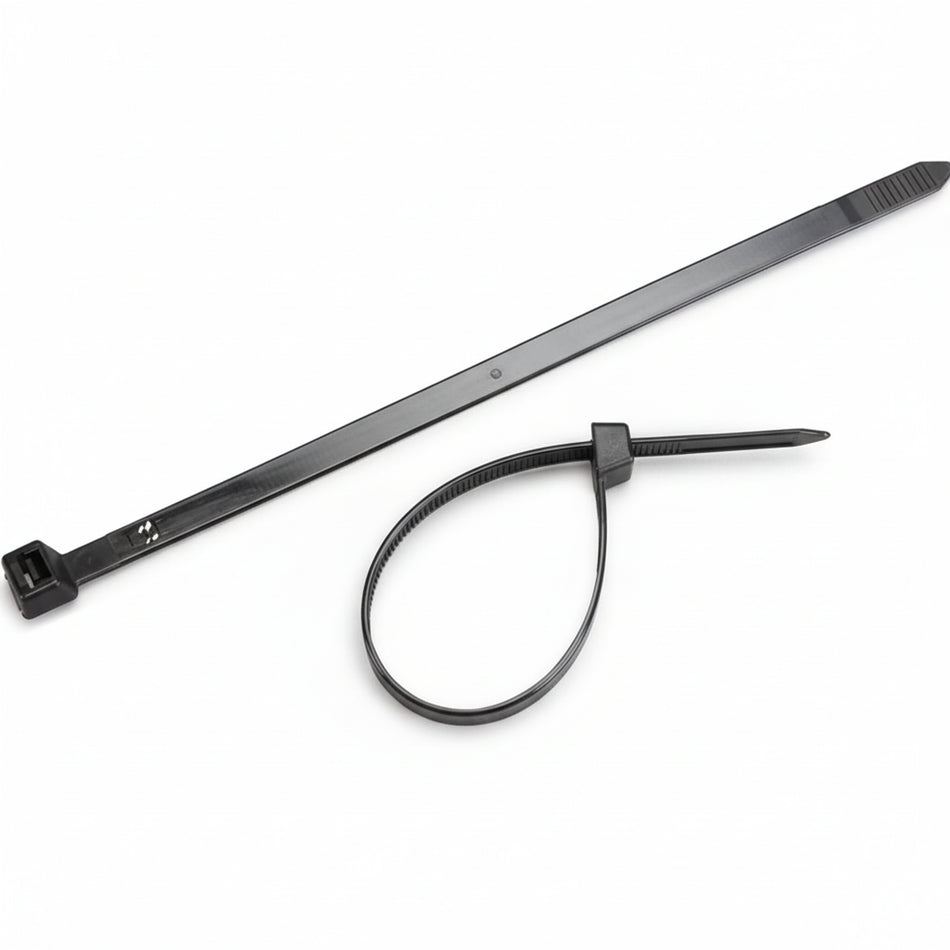 Nylon offers excellent strength during warm months. Winter changes its behavior because the material absorbs water easily.
Understanding these properties helps installers choose the right tie for the job.
Nylon offers excellent strength during warm months. Winter changes its behavior because the material absorbs water easily.
Understanding these properties helps installers choose the right tie for the job.